
A logistics chain involves far more than moving goods from one location to another. Before a shipment reaches its final destination, it may be packed, loaded, transferred between carriers, stored, cleared through customs and handled several times. Every stage introduces different risks, and a problem at one point can affect the rest of the journey.
Building a risk-resilient logistics chain requires businesses to understand where those risks exist and how responsibility changes along the way. It also means ensuring that insurance protection reflects the complete movement of the goods, rather than focusing only on the time they spend in transit.
Where Risk Enters the Journey
Risk can arise before cargo even leaves the supplier’s premises. Goods may be damaged during packing, palletising or loading, particularly when the packaging is unsuitable for the weight, fragility or handling requirements of the product. Poor stacking, incorrect labelling and the use of unsuitable equipment can also lead to loss before the transport stage begins.
The type and value of the goods should therefore form part of the initial risk assessment. Fragile products, high-value cargo, perishable items and goods that require temperature control will not all face the same exposures. Understanding these differences helps a business put the correct handling procedures and insurance protection in place from the start.
Handovers, Transport and Storage
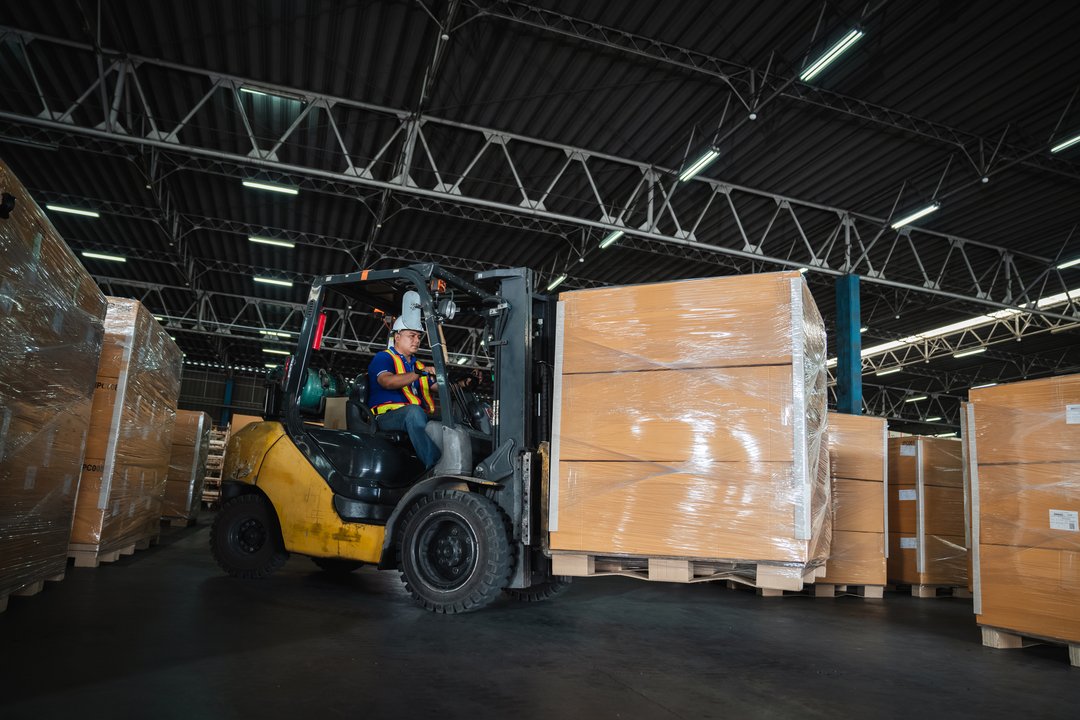
Most shipments pass through several hands before reaching the customer. A transporter may collect the goods from a supplier, deliver them to a warehouse or terminal and transfer them to another carrier for the next stage. At each handover, responsibility may change, which can make it difficult to determine where damage or loss occurred.
Accurate records are particularly important during these transfers. Signed delivery notes, condition reports, photographs and transport documents can help establish the condition of the goods and the point at which responsibility changed. Without this information, a claim may become more difficult to assess.
The method of transport also affects the risk. Air, ocean, road and rail freight each involve different handling processes, travel conditions and operational exposures. Road cargo may face collision, theft and hijacking, while ocean freight involves port handling, container movement and longer transit periods. Rail and air freight introduce their own handling and operational risks, which is why cover should reflect the goods, journey and transport method involved.
Storage must also be included in the wider risk picture. Goods may remain in warehouses, depots or distribution centres before continuing to their destination. During this time, they can still be exposed to theft, fire, accidental damage or poor handling. Businesses should understand whether their cover remains active during temporary storage and whether any limits or conditions apply.

How Gaps in Protection Arise
Insurance gaps often appear when businesses treat each stage of the supply chain separately. One policy may cover goods at a fixed premises, while another applies during transport. If the boundaries between those policies are unclear, the business may discover that part of the journey is not protected as expected.
Carrier liability can create another area of uncertainty. A transporter may be responsible for goods while they are in its possession, but that responsibility is often limited by contract or legislation. The amount recoverable from the carrier may therefore be lower than the actual value of the loss. Cargo owners should not assume that a third party’s liability arrangements will always provide sufficient protection.
For businesses whose goods move repeatedly between transport, handling and storage, Stock Throughput Insurance may offer a more suitable solution. This type of cover can bring cargo, stock and transit exposures together under one policy, providing protection across the movement from supplier through storage and handling to the final customer, subject to the agreed policy terms.

Building Greater Resilience
A resilient logistics chain begins with understanding the full journey of the goods. Businesses should know where cargo is packed, loaded, transferred, stored and delivered, as well as which parties are responsible at each stage. Contracts, carrier liability limits, cargo values and policy exclusions should all be reviewed as part of this process.
Insurance arrangements should also be updated when operations change. New trade routes, different products, higher shipment values, additional warehouses or new transport partners can alter the level of risk. A policy that was suitable when it was first arranged may no longer reflect the way the business operates.
Working with a broker who understands freight and logistics can help businesses identify these exposures and select cover suited to their operations. Sinergi Risk provides tailored solutions across cargo insurance, Goods in Transit, Stock Throughput, marine liabilities, Sasria, Heavy Commercial Vehicle Insurance and other business risks within the logistics sector.
Insurance cannot prevent every accident, delay or loss. It can, however, reduce the financial impact when something goes wrong and help prevent an incident at one stage from becoming a larger problem across the entire supply chain. From port to pallet, effective protection begins with understanding the whole journey.
Speak to Sinergi Risk about insurance designed around the complete movement of your goods.