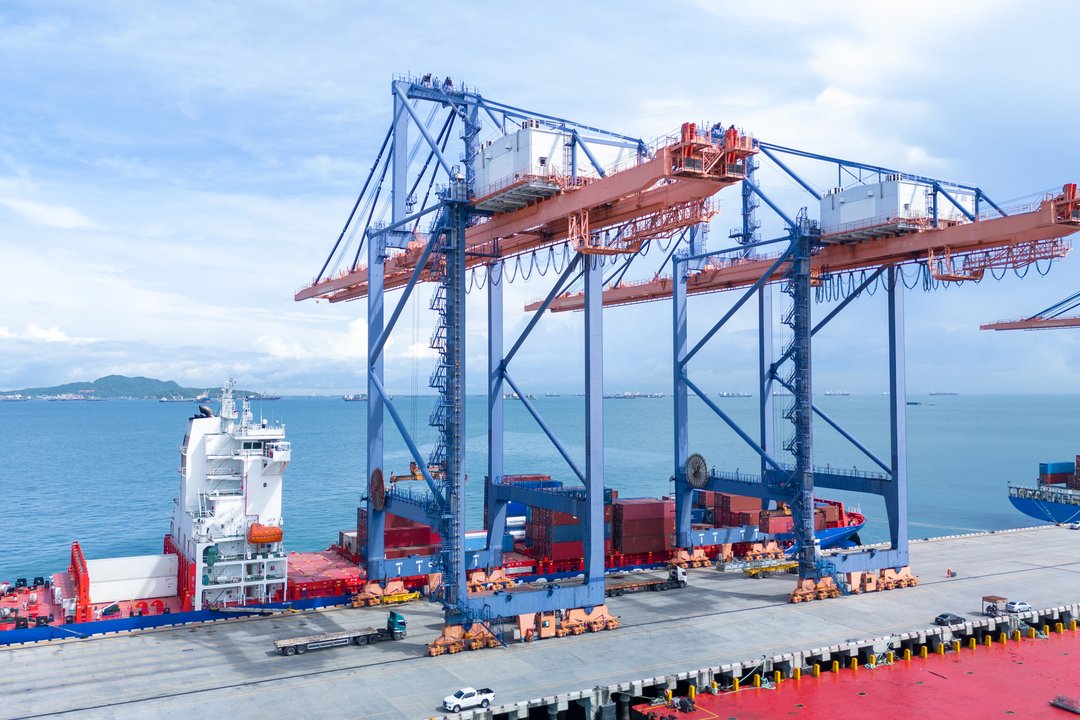
Cargo insurance plays an important role in protecting goods against physical loss or damage while they are being transported. But protecting the cargo itself is not the same as protecting a business against the legal responsibilities that can arise around marine operations.
That distinction matters because an incident at sea, in port or during a marine-related operation can affect more than the goods being moved. It may involve third-party property, people, the environment or contractual responsibilities. When that happens, the financial exposure can sit outside the purpose of ordinary cargo cover.
Understanding where cargo insurance ends and marine liability begins can help businesses avoid assuming that one policy is designed to respond to every consequence of a marine incident.
What Cargo Insurance Is Designed to Protect
Cargo insurance is primarily concerned with the goods themselves. Depending on the policy wording, it may respond when insured cargo is lost, damaged or destroyed during an insured journey.
This protection is important for importers, exporters and other businesses with goods moving through international or domestic supply chains. If a container is damaged in transit, goods are lost following an accident or a shipment is affected by an insured event, cargo insurance may provide financial protection for the value of the goods.
The key point is that the insured interest is usually the cargo. The wider consequences of an incident can create a different type of exposure.
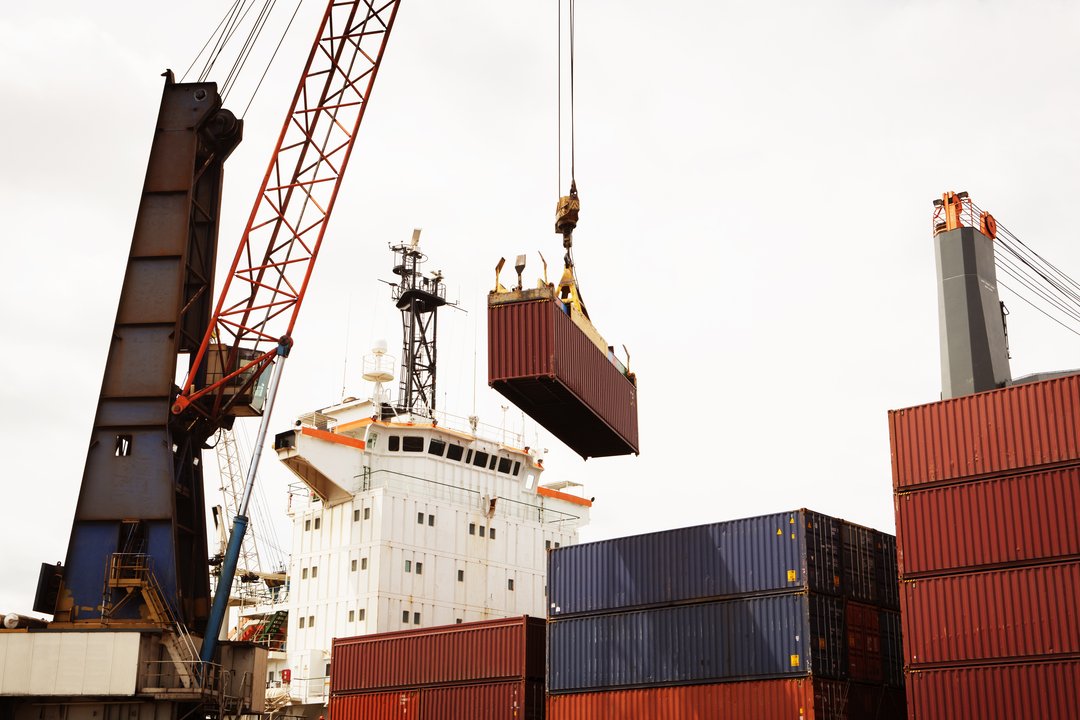
Where Liability Can Arise
Marine liability concerns the legal and financial responsibility a business may have towards other parties. The nature of that responsibility depends on the operation, the parties involved and the circumstances of the incident.
A marine-related event could result in damage to third-party property, bodily injury or pollution. There may also be legal costs associated with defending or resolving a claim. These exposures are different from the loss of or damage to the cargo itself.
For example, an incident involving a vessel or marine operation may damage another party's property while the insured cargo remains largely unaffected. In that situation, having cargo insurance does not automatically mean the resulting liability has also been insured.
This is why businesses involved in marine activities need to understand both the property risk attached to their goods and the liability risk created by their responsibilities to others.

Why Contracts and Responsibilities Matter
Marine operations often involve several parties, including cargo owners, vessel owners, charterers, freight forwarders, terminal operators and other service providers. Their responsibilities are not always identical, and contracts can influence who is expected to carry particular risks.
This makes it important to understand what responsibilities a business has accepted and whether its insurance arrangements reflect them. A company may assume that another party is responsible for a particular loss, only to discover that the contract allocates responsibility differently or that the other party's insurance does not respond as expected.
Liability limits, indemnity clauses and insurance requirements can therefore be just as important as the movement of the goods themselves. Reviewing these arrangements before a claim occurs can help businesses identify exposures that might otherwise remain hidden.

Looking Beyond the Cargo
Marine risk is not limited to whether goods arrive safely. Businesses operating around marine transport also need to consider the responsibilities they carry towards third parties and the potential financial consequences if something goes wrong.
Cargo insurance and marine liability insurance serve different purposes. One protects the financial interest in the goods, while the other can address defined legal liabilities arising from marine operations, subject to the policy terms and circumstances.
The most useful starting point is to understand the full operation, the contracts involved and where responsibility sits at each stage. That makes it easier to identify whether the insurance programme is protecting only the cargo or also addressing the wider liabilities created by the business.
To discuss marine liability protection suited to your operation, contact Sinergi Risk.