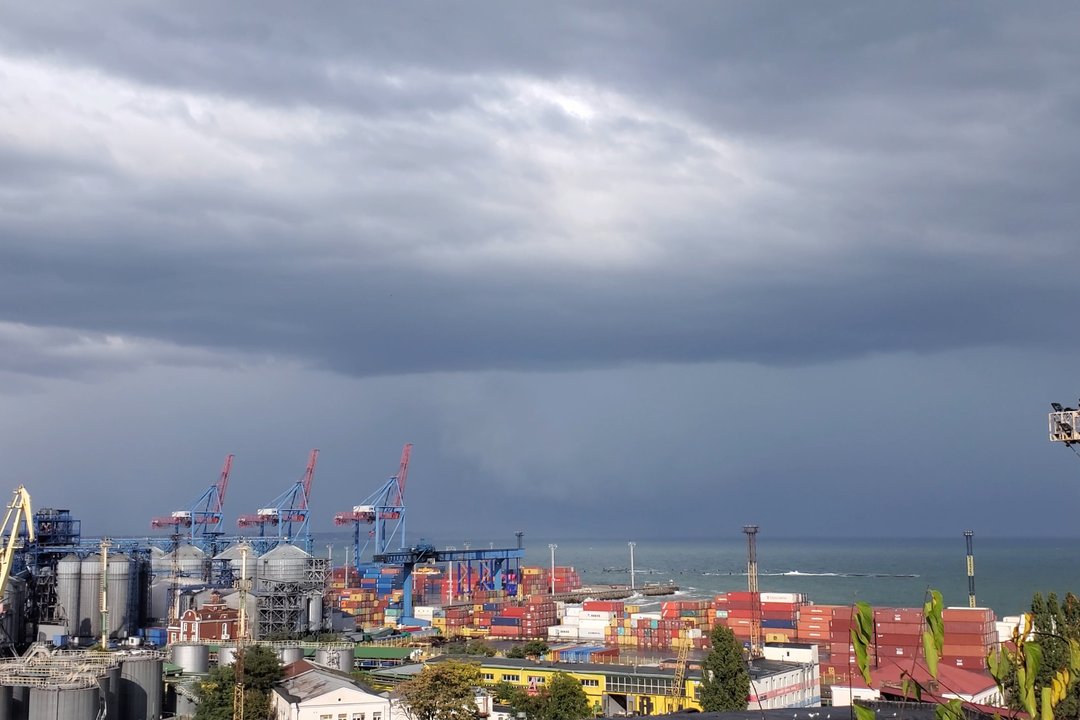
Supply-chain disruption does not always begin with damaged cargo or a warehouse loss. Severe weather, flooding, port closures or other external events can interrupt movement and create financial pressure even when insured property has not suffered physical damage.
Traditional insurance generally responds to an actual insured loss, with the amount assessed before a claim is settled. Parametric insurance takes a different approach. It is structured around a predefined, measurable event or threshold. If the agreed trigger is reached, the policy can respond according to a payout structure established in advance.
This can be useful where disruption is difficult to insure through a conventional damage-based policy. It is not a replacement for traditional insurance, but it can be used alongside it to address specific protection gaps.
How the Trigger Works
The starting point is an event that can be measured objectively. This could be rainfall above a specified level, a river reaching a defined height, wind speed exceeding an agreed threshold or another measurable event relevant to the exposure.
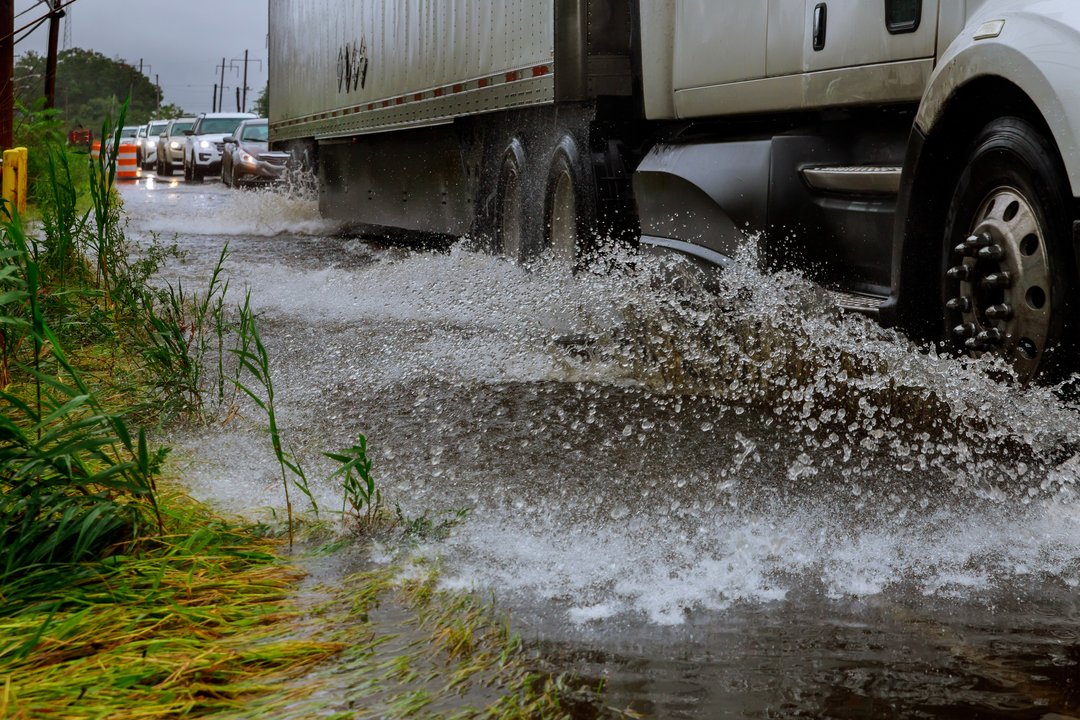
The location, measurement source and trigger level are agreed when the cover is arranged. For example, a business dependent on a particular transport route might structure cover around flooding at a defined location. If the agreed water level is reached, the trigger can activate even if the business’s own cargo has not been physically damaged.
The payout structure is also agreed in advance. Depending on how the policy is structured and the applicable requirements, the insurer may still need to verify that the insured has suffered a qualifying financial loss. The key difference is that event data, rather than a detailed assessment of physical damage, determines whether the agreed trigger has been met.
Why This Can Matter for Supply Chains
Supply chains depend on infrastructure and organisations that a business does not always control. A port can close, a transport corridor can become inaccessible, or severe weather can prevent goods from moving as planned. The resulting cost may come from delays, rerouting, additional storage, alternative transport arrangements or lost trading time rather than damage to the goods themselves.
A conventional cargo policy may be designed primarily around physical loss or damage to insured goods. That can leave a different exposure when the cargo is intact but the business still experiences a measurable financial impact from disruption.
Parametric insurance can be structured around that particular risk. Because the trigger and payout mechanism are defined before the event, the business knows which measurement matters and what level must be reached for the cover to respond.
The Trigger Must Match the Real Exposure
The trigger itself requires careful thought. The policy responds to the agreed parameter, not simply to the fact that the business has experienced disruption.
If flooding causes difficulties but the specified measurement remains below the trigger level, the parametric policy may not respond. The reverse can also occur: the threshold may be reached while the business experiences less disruption than expected. This difference between the trigger and the actual loss is often referred to as basis risk.
Choosing the right trigger therefore requires a clear understanding of how the business is exposed. The event, location, data source and threshold should be closely connected to the financial impact the business is trying to protect against.

A Different Tool for a Different Type of Risk
Parametric insurance is useful because it approaches risk from a different direction. Instead of asking only what property was damaged, it asks whether a defined event occurred at the agreed level.
For businesses with vulnerable supply chains, that can create another option for managing disruption where traditional policies may not fully address the exposure. The value lies in identifying a measurable event that closely reflects the business’s financial risk and structuring the cover around it.
As with any specialised insurance, the wording, trigger and payout structure need to be understood before the cover is put in place. The aim is not to replace existing insurance, but to add another layer of protection where the nature of the disruption requires a different approach.
To discuss parametric insurance for supply-chain disruption, contact Sinergi Risk.