
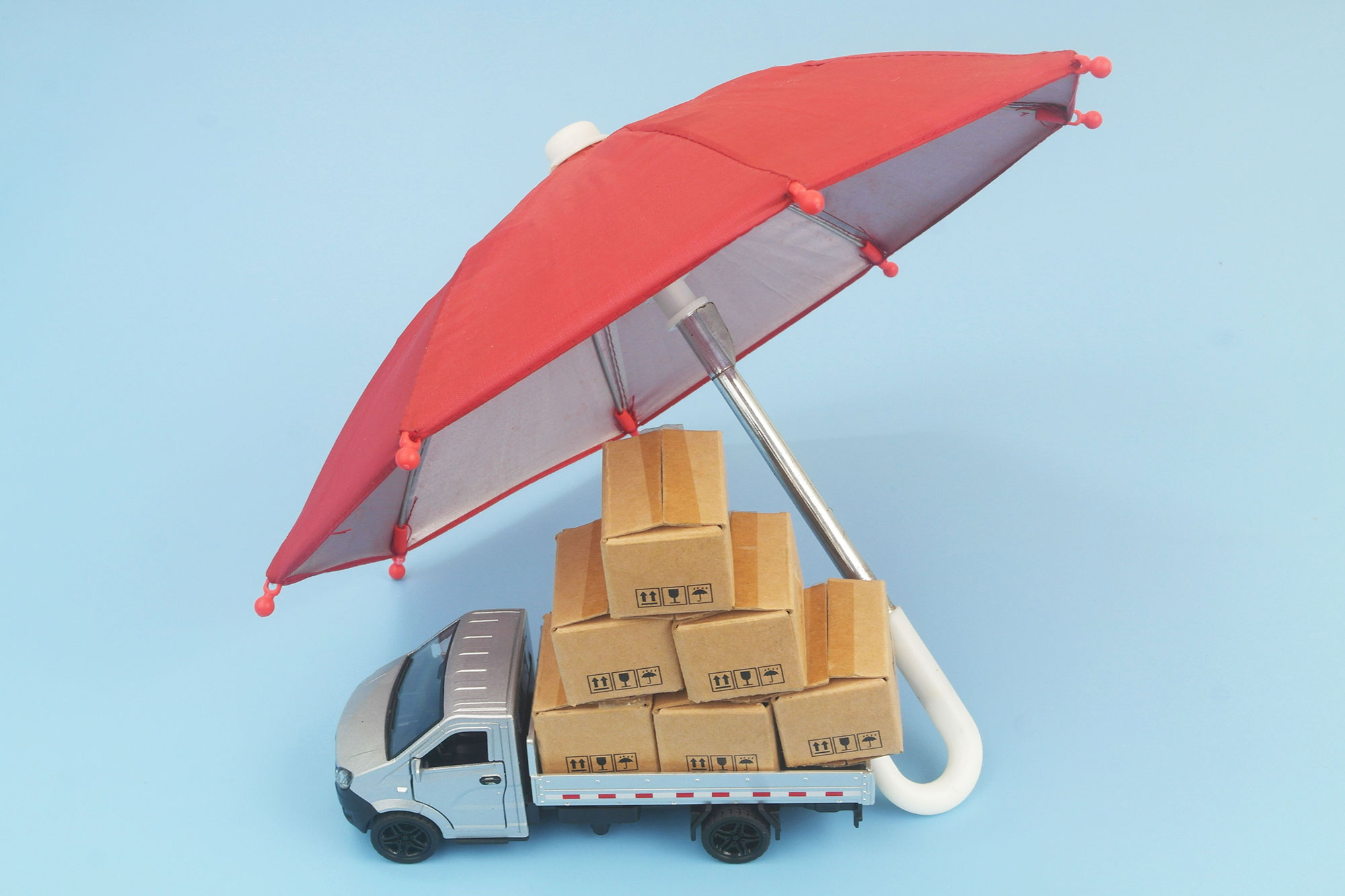
Introduction to Goods in Transit Insurance
In today's global market, goods are constantly on the move. From small packages to large shipments, the transportation of goods is a critical component of business operations. However, this process comes with its own set of risks, which is where Goods in Transit Insurance plays a vital role. This type of insurance provides coverage for goods against loss or damage while being transported from one location to another. Understanding its nuances can help businesses protect their assets effectively.
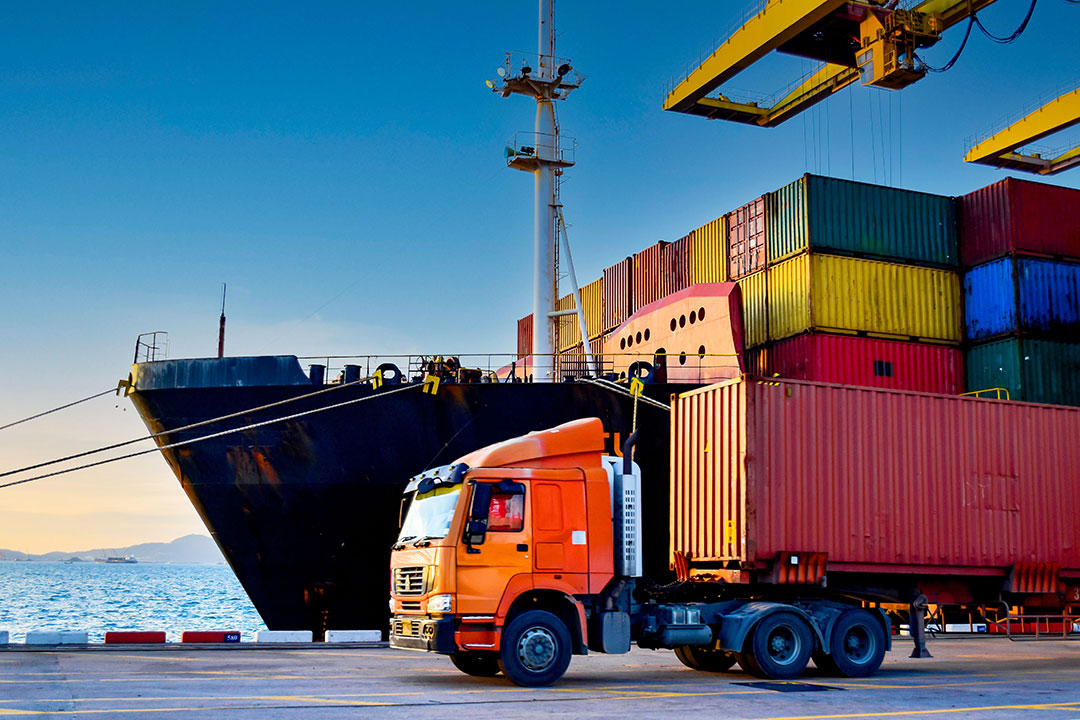
What Does Goods in Transit Insurance Cover?
Goods in Transit Insurance typically covers a range of scenarios that can lead to the loss or damage of goods. These include accidents, theft, and natural disasters. The coverage can be tailored to suit specific needs, ensuring that a business is adequately protected during transit. Some policies may also cover goods while they are temporarily stored during the journey. It's crucial to review and understand the terms of the policy to ensure comprehensive coverage.
Types of Coverage
There are different types of Goods in Transit Insurance, each designed to cater to specific requirements:
- All-Risk Coverage: This offers the broadest protection, covering most risks except for those explicitly excluded.
- Named Perils Coverage: Covers only the risks specifically mentioned in the policy, such as fire, collision, or theft.
- Single Transit Coverage: Ideal for businesses that need coverage for a one-time shipment.
- Annual Coverage: Suitable for businesses with regular shipments, providing ongoing protection throughout the year.

Why Is Goods in Transit Insurance Important?
For businesses, the loss or damage of goods during transit can lead to significant financial setbacks. Goods in Transit Insurance mitigates these risks, offering peace of mind and financial security. It ensures that businesses can continue operations without the burden of unexpected losses. Additionally, having such insurance might be a requirement in some contracts, especially those involving international trade.
Factors to Consider When Choosing a Policy
When selecting a Goods in Transit Insurance policy, businesses should consider several factors:
- Nature of the Goods: Fragile or high-value items may require specialized coverage.
- Transport Method: Different modes of transport, such as road, sea, or air, might present different risks.
- Distance and Route: Longer distances or routes through high-risk areas might necessitate more comprehensive coverage.

Steps to File a Claim
In the event of a loss or damage, knowing how to file a claim is crucial. The process typically involves notifying the insurer promptly, providing detailed documentation of the incident, and cooperating with any investigations. Keeping accurate records and photographs of the goods before dispatch can facilitate a smoother claims process.
Conclusion
Understanding and implementing Goods in Transit Insurance is essential for businesses that rely on the transportation of goods. By choosing the right policy and ensuring adequate coverage, companies can protect their investments and maintain smooth operational flow. As global trade continues to expand, the importance of safeguarding goods in transit becomes even more critical.